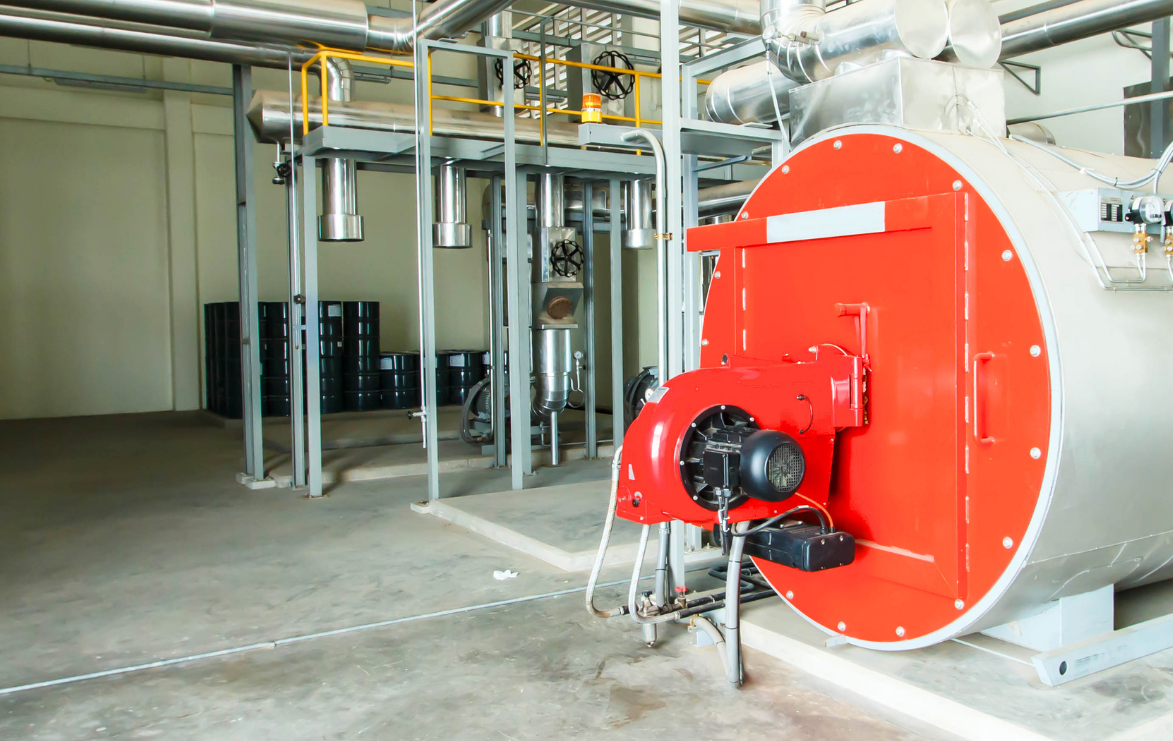
As temperatures drop across Ontario and Quebec, facilities turn their attention to equipment that often goes unnoticed during the warmer months: steam boilers and HVAC heat-exchange systems. Reliable boiler performance isn’t just about turning the system on, it begins with proper HVAC water treatment, preventative maintenance, and attention to the mechanical components that support efficient operation.
For building owners, facility managers, and operators, a smooth start-up can mean lower fuel costs, fewer disruptions, and longer equipment life. For WMC Water, it’s an opportunity to reinforce what we see every season: boiler efficiency always comes back to preparation and water management.
Why Steam Boiler Start-Ups Matter
A boiler that enters heating season with untreated water, scale buildup, or operational issues is far more likely to experience breakdowns or energy waste. Proper boiler water treatment and start-up procedures help protect the system from corrosion, overheating, and premature failure, all risks that increase significantly when colder weather pushes boilers to work harder.
A thorough start-up typically includes:
Verifying Water Quality and Chemistry
Boilers are highly sensitive to the water that feeds them. Imbalanced chemistry accelerates corrosion, encourages scale formation, and reduces heat transfer. A consistent water management plan ensures the boiler operates within safe and efficient parameters.
Inspecting for Scale, Corrosion, and Leaks
Even a thin layer of scale can increase fuel consumption by up to 7%. Addressing these issues before ignition dramatically improves performance and reduces operational costs.
Confirming Controls, Safeties, and Venting
Start-up is the ideal time to confirm that safety valves, pressure controls, and venting systems are functioning correctly, especially for industrial facilities where steam reliability is essential.
Gradually Increasing Temperature
Bringing a boiler up to temperature too quickly can cause thermal shock. Controlled heating prevents structural stress and supports long-term reliability.
Together, these steps form the backbone of an effective boiler water treatment and start-up strategy, helping facilities enter heating season with confidence.
The Role of Coil Cleaning in System Efficiency
While boilers handle steam production, coils throughout the HVAC system support heating, cooling, and overall airflow. Dirty or obstructed coils can negatively affect more than comfort, they directly impact system efficiency and energy use.
Improved Heat Transfer
Clean coils allow heat to move freely, reducing strain on the system and lowering energy consumption.
Better Airflow and Performance
Dirt, debris, and biofilm restrict airflow, forcing fans and mechanical components to work harder.
Reduced Fuel and Electricity Costs
Dirty coils can increase total system energy use by 10–15%, especially in commercial and industrial facilities.
Lower Equipment Stress
Clean heat-exchange surfaces extend the lifespan of boilers, chillers, and air handlers, all key components in any HVAC infrastructure.
Coil cleaning is one of the most overlooked opportunities in HVAC water treatment and industrial water treatment, yet it consistently produces measurable returns.
The Connection Between Water Management and Boiler Efficiency
Effective water management is the common thread between all high-performing mechanical systems. Whether it’s cooling tower water treatment, boiler water treatment, or closed-loop protection, proper chemistry and maintenance make the difference between dependable operation and unnecessary downtime.
At WMC Water, we often remind clients: Boiler performance begins before ignition, and coil efficiency starts long before the cold arrives.
Proactive maintenance doesn’t just solve problems, it prevents them.
Get Ready for the Heating Season
As facilities across Ontario and Quebec transition into winter operations, now is the ideal time to evaluate your boiler start-up process and address any gaps in water treatment or mechanical readiness.
If you’re looking to optimize your steam boiler performance, improve system efficiency, or build a more effective water management plan, our engineering and field teams are here to help. Contact our team to prepare your facility for a reliable heating season.

.png?width=1620&name=wmc%20-%20logos%20footers%20(1).png "wmc - logos footers (1)")