
Service: Boiler Water Treatment
Industry: Industrial Steam Production
Location: Quebec
The Challenge
A long-standing industrial client operating high-pressure steam boilers began experiencing fouling on boiler tubes caused by hardness leaks from their water softeners.
Even small amounts of hardness entering a steam boiler can quickly form scale deposits on heat transfer surfaces. In this case, mineral buildup was reducing heat transfer efficiency and forcing the system to work harder to maintain steam production.
The consequences were measurable:
- Increased fuel consumption (Oil #2)
- Higher electricity usage
- Reduced thermal efficiency
- Greater operational strain on equipment
The client’s primary goal was to restore efficiency, reduce operating costs, and prevent further scale accumulation, all while minimizing risk to the boiler system and avoiding extended downtime.
The Game Plan
Step 1: Fix the Root Cause First
There was no point cleaning the boiler if hardness was still slipping past the softeners. The first priority was tightening up the pretreatment process.
A polishing system was added downstream of the existing softeners to catch any residual hardness before it could enter the boiler feedwater. With that safeguard in place, we could move forward knowing that new scale wouldn’t continue to build while we addressed the existing deposits.
Step 2: Choose the Right Cleaning Method
We looked at the usual options, including an acid clean. It would have removed the scale quickly, but it also would have meant shutting the boiler down and introducing chemicals that can be harsh on metal surfaces if conditions are not ideal.
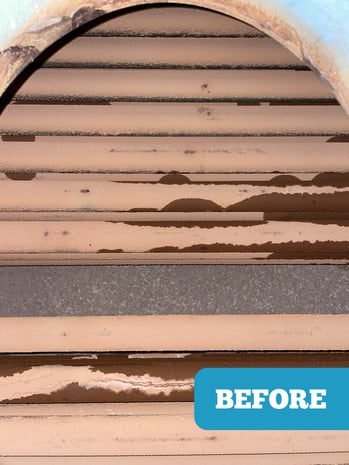
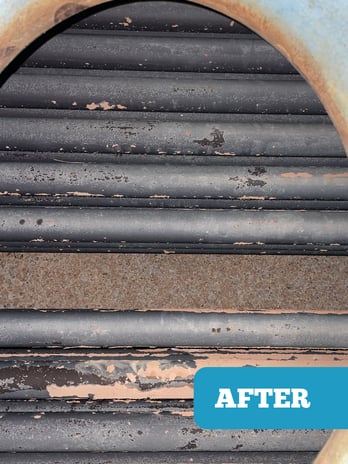
Instead, we chose to clean the system while it was running. An in-line cleaning program allowed the deposits to break down gradually. The boiler stayed online, steam production continued and the cleaning process was controlled step by step rather than all at once.
Step 3: Verify and Protect the Results
As the cleaning progressed, we tracked operating data to confirm that heat transfer was improving. Fuel usage and system response were reviewed to see how the boiler reacted as deposits were reduced.
Annual internal inspections were added to the maintenance schedule to make sure the tubes remained clean and that hardness was no longer entering the system. The goal was not just to clean it once, but to prevent the issue from returning.
The Outcome
Based on the estimated initial deposit thickness and industry data correlating scale buildup with efficiency loss, the system was expected to regain 3 to 5% in thermal efficiency once deposits were removed.
For a facility producing an average of:
- 10,000 lbs/hour of steam at 125 psi
This translated into:
- $10,000 to $15,000 per year in energy savings
- Reduced fuel consumption
- Improved heat transfer performance
- Lower long-term mechanical stress on boiler components
Beyond the direct cost savings, the client gained improved operational reliability and greater confidence in their water treatment controls.
Why It Matters
Scale buildup inside a boiler is not just a maintenance issue, it is an energy efficiency issue. Even a thin layer of hardness deposits can significantly reduce heat transfer, increasing fuel usage and operating costs.
By addressing both the root cause and the existing fouling through a controlled, low-risk strategy, WMC Water delivered measurable savings without exposing the system to unnecessary corrosion risk.
Related Articles
Case Study: Dome Staining on Beer Cans at a Brewery | WMC Water
The Problem: A brewer was experiencing dome staining on their beer cans, leading to customer...Optimizing Steam Boiler Performance: Why Start-Up Procedures and Coil Maintenance Matter for a Reliable Heating Season
As temperatures drop across Ontario and Quebec, facilities turn their attention to equipment that....png?width=1620&name=wmc%20-%20logos%20footers%20(1).png "wmc - logos footers (1)")